
Understanding Macronutrients
Exploring the scientific roles of protein, fats, and carbohydrates in human nutrition
What Are Macronutrients?
The Fundamentals
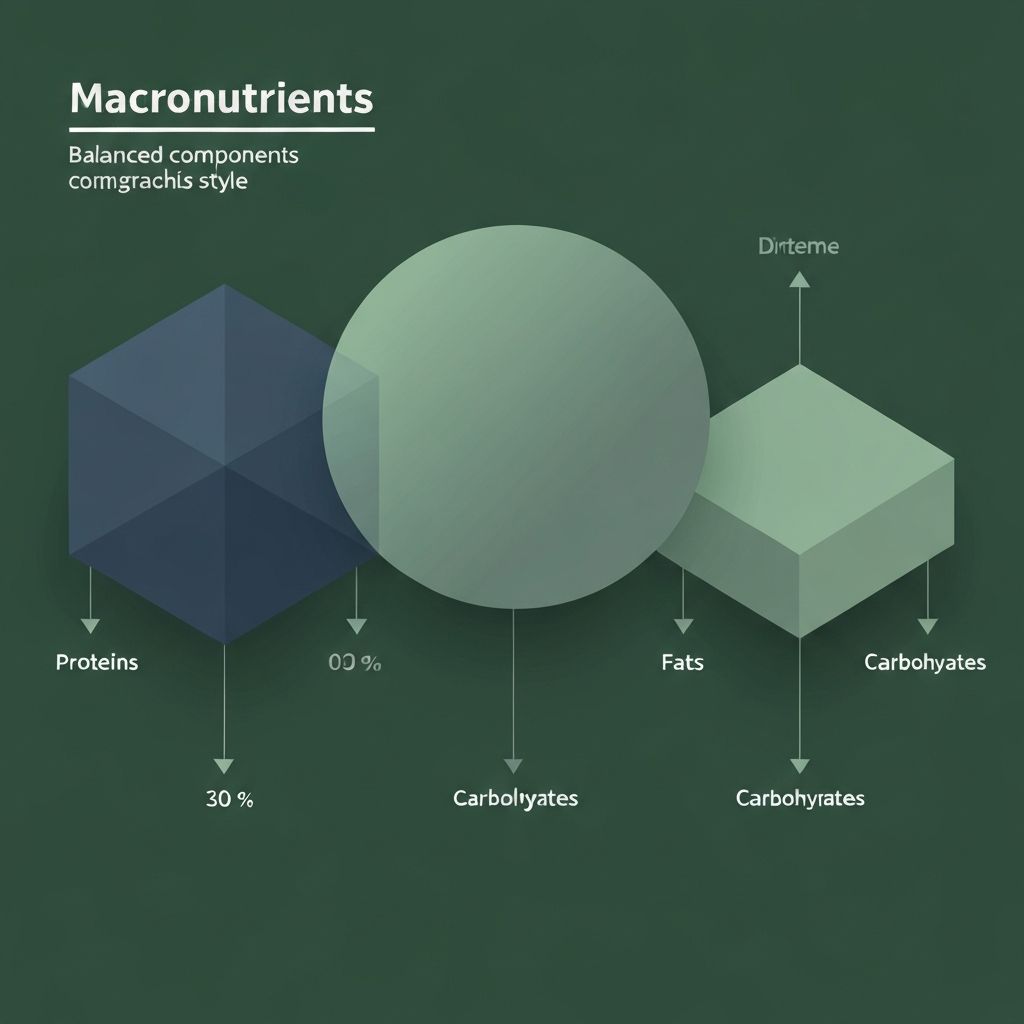
Macronutrients are the primary components of food that provide energy and support vital bodily functions. They are composed of three main categories: proteins, fats, and carbohydrates. Each macronutrient plays distinct and essential roles in maintaining human health, supporting everything from muscle development to hormone production.
Understanding the science behind macronutrients helps individuals make informed decisions about nutrition and general wellness. This knowledge provides context for evaluating different dietary approaches and understanding how the body utilizes food energy and nutrients.
The balance of macronutrients in daily intake varies based on individual factors such as activity level, age, and metabolic characteristics. This educational guide explores the scientific principles that help estimate macronutrient requirements.
Protein: Building Blocks of Life
Protein serves as one of the foundational macronutrients, essential for building and repairing tissues, enzymes, hormones, and immune components. Understanding protein's role, types, and dietary sources provides insight into its importance in human physiology.

Role of Protein
Protein is composed of amino acids that are used to build and repair muscles, create enzymes and hormones, support immune function, and maintain structural integrity of tissues throughout the body. Proteins are involved in virtually every biological process.
Types of Proteins
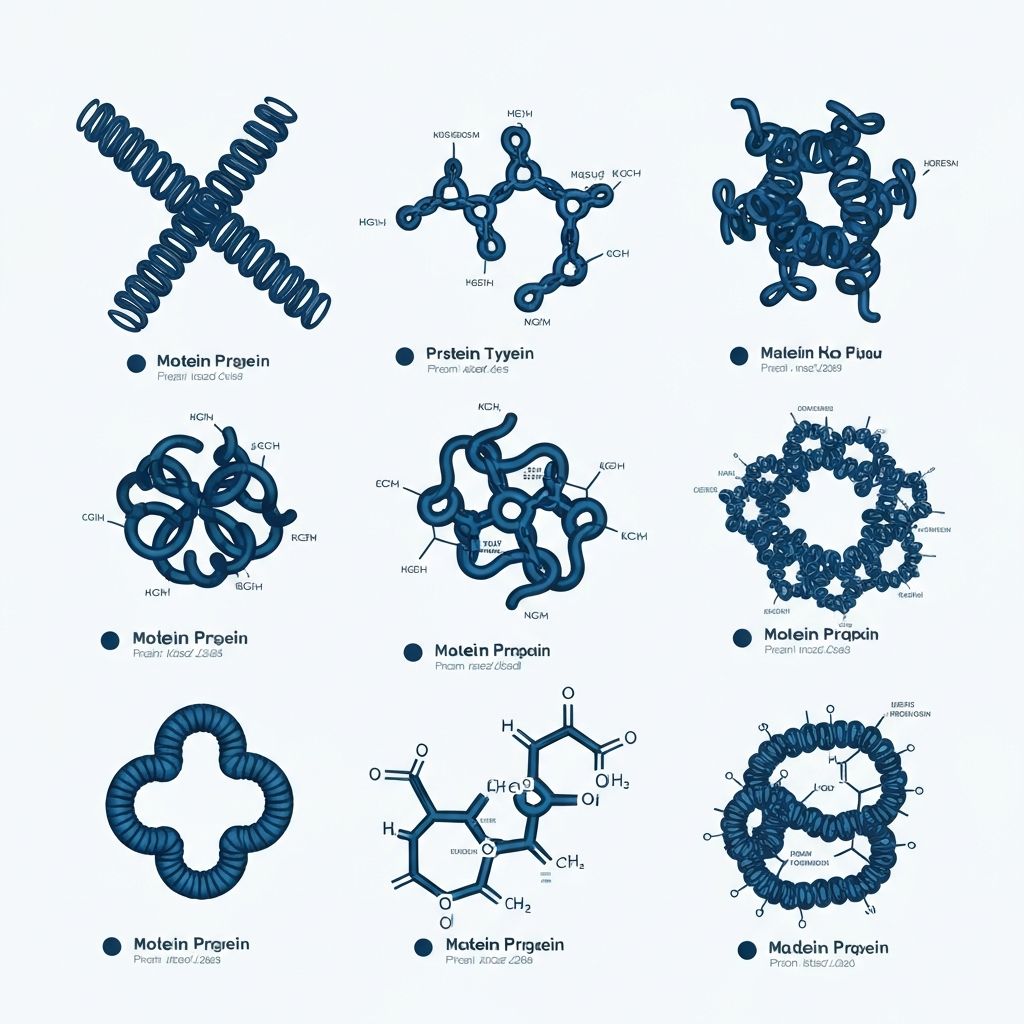
Proteins are classified based on amino acid composition. Complete proteins contain all essential amino acids, while incomplete proteins lack one or more essential amino acids. Understanding these distinctions helps in evaluating dietary sources and planning balanced nutrition.

Dietary Sources
Protein sources include both animal products such as poultry, fish, eggs, and dairy, as well as plant-based options including legumes, grains, nuts, and seeds. Varying sources provides different micronutrient profiles alongside protein content.

Fats: Essential for Energy and Health
Dietary fats serve critical functions beyond energy provision, including hormone production, vitamin absorption, and cellular structure maintenance. Different types of fats have distinct properties and roles in human health.
Understanding Fat Classification
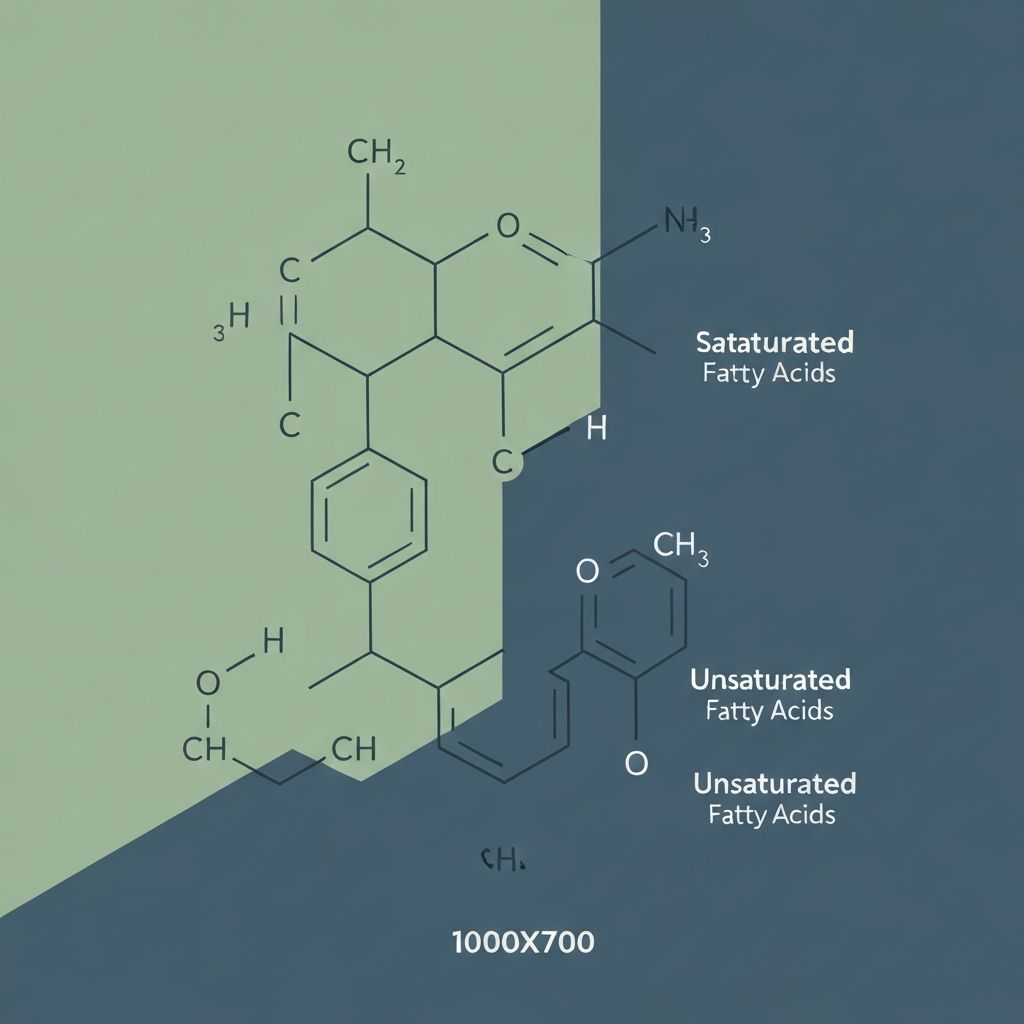
Fats are classified into categories including saturated fats, monounsaturated fats, and polyunsaturated fats. Each type has different chemical structures and effects on the body. The scientific literature explores how different fat types interact with various physiological systems.
Fats provide 9 calories per gram, more than double the energy density of proteins and carbohydrates, which contain 4 calories per gram. This energy density makes fats important in understanding total energy balance.
Saturated and Unsaturated
Saturated fats are primarily found in animal products and certain plant oils. Monounsaturated and polyunsaturated fats are predominantly in plant sources, nuts, seeds, and fish, each with distinct chemical properties and roles in nutrition science.

Food Sources of Fats
Dietary fat sources include oils, nuts, seeds, avocados, fish, dairy products, and meat. Different sources provide varying fat profiles alongside other nutrients including vitamins, minerals, and phytonutrients that contribute to overall nutritional value.
Lipid Functions
Beyond energy provision, fats function in hormone synthesis, fat-soluble vitamin absorption, cell membrane formation, and inflammation regulation. Understanding these roles helps contextualize the place of fats within nutritional science.
Carbohydrates: Your Body's Primary Fuel
Carbohydrates are the primary source of energy for the central nervous system and muscles. Understanding carbohydrate types and their roles provides context for evaluating dietary patterns and energy balance principles.
Simple and Complex Carbohydrates
Carbohydrates are classified based on molecular structure. Simple carbohydrates include monosaccharides and disaccharides, while complex carbohydrates consist of polysaccharides. Complex carbohydrates typically provide sustained energy release and often contain fiber and micronutrients.
Glycemic Response
Different carbohydrate sources elicit varying glucose responses in the bloodstream. This concept of glycemic response is important for understanding energy utilization patterns and is relevant to various metabolic considerations discussed in nutritional science.
Dietary Fiber
Dietary fiber is a carbohydrate component with unique properties. It is not fully digestible like other carbohydrates, yet it supports digestive health, satiety, and provides substrate for beneficial gut bacteria. Fiber intake is a distinct consideration within comprehensive carbohydrate analysis.
Sources of Carbohydrates
- Whole grains including oats, brown rice, quinoa, and whole wheat
- Legumes such as beans, lentils, and chickpeas
- Vegetables providing both carbohydrates and micronutrients
- Fruits containing natural sugars alongside fiber and phytonutrients
- Starchy vegetables including potatoes and sweet potatoes
Carbohydrates provide 4 calories per gram, the same energy density as protein. Total energy balance depends on overall macronutrient intake and individual energy expenditure.
Estimating Your Macronutrient Needs
Individual macronutrient requirements vary based on multiple factors. This section outlines general principles used to estimate baseline requirements, though individual circumstances differ substantially.
Factors Influencing Macronutrient Requirements
| Factor | Description | Impact on Requirements |
|---|---|---|
| Activity Level | Sedentary, moderate, or highly active lifestyle | Higher activity increases total energy and protein needs |
| Age | Varies across lifespan stages | Metabolic rate and nutrient requirements change with age |
| Body Composition | Muscle mass relative to total body weight | Greater muscle mass increases baseline energy expenditure |
| Sex | Biological sex differences | Differences in metabolic rate and hormonal factors |
| Metabolic Health | Overall metabolic function and efficiency | Individual variations in energy utilization and storage |
General Estimation Framework
A common approach begins with calculating total daily energy expenditure (TDEE) based on basal metabolic rate and activity level. From this baseline, macronutrient distribution is applied. Typical distributions explored in nutritional science range from 10-35% of energy from protein, 20-35% from fat, and 45-65% from carbohydrates, though individual variation is substantial.

Principles of Balanced Intake
Achieving balanced macronutrient intake involves several general principles drawn from nutritional science. These principles provide educational context for understanding nutritional approaches.
Key Principles
Principle 1: Variety in Food Sources
Consuming diverse foods within each macronutrient category provides varied micronutrient profiles. Different protein sources, fat types, and carbohydrate sources contribute different vitamins, minerals, and phytonutrients supporting comprehensive nutrition.
Principle 2: Timing and Distribution
Spreading macronutrient intake throughout the day supports sustained energy and various metabolic processes. Distribution patterns vary based on individual circumstances and activity timing.
Principle 3: Individual Adaptation
Macronutrient ratios that support individual health and performance vary substantially between people. Evaluation and adjustment based on individual responses provides educational value for personal decision-making.
Principle 4: Whole Food Emphasis
Whole, minimally processed foods typically provide superior micronutrient density compared to highly processed alternatives. This principle supports more comprehensive nutritional value regardless of macronutrient focus.
Common Macronutrient Misconceptions
Nutritional science is often subject to oversimplification and misinterpretation. Understanding common misunderstandings helps contextualize evidence-based perspectives.
This oversimplified view ignores the essential roles fats play in hormone production, nutrient absorption, and cellular function. Different fat types have distinct properties.
Scientific evidence supports the necessity of fat consumption for various physiological functions. The distinction between different fat types provides nuanced understanding of nutritional science.
This misconception conflates all carbohydrate sources. Complex carbohydrates from whole foods provide fiber, vitamins, and sustained energy, distinguishing them from refined alternatives.
Different carbohydrate sources have distinct nutritional profiles. Whole grains and legumes differ substantially from refined carbohydrates in micronutrient content and physiological effects.
This oversimplifies the complex interaction between protein intake, resistance training, overall energy balance, and individual factors. Protein alone does not determine muscle development.
Protein is necessary but not sufficient for muscle development. Training stimulus, total energy balance, recovery, and individual factors all significantly influence outcomes.
Frequently Asked Questions
Continue Your Learning Journey
Explore more detailed articles about specific macronutrient topics and nutritional science principles on our blog.
Explore More TopicsEducational content only. No promises of outcomes.